

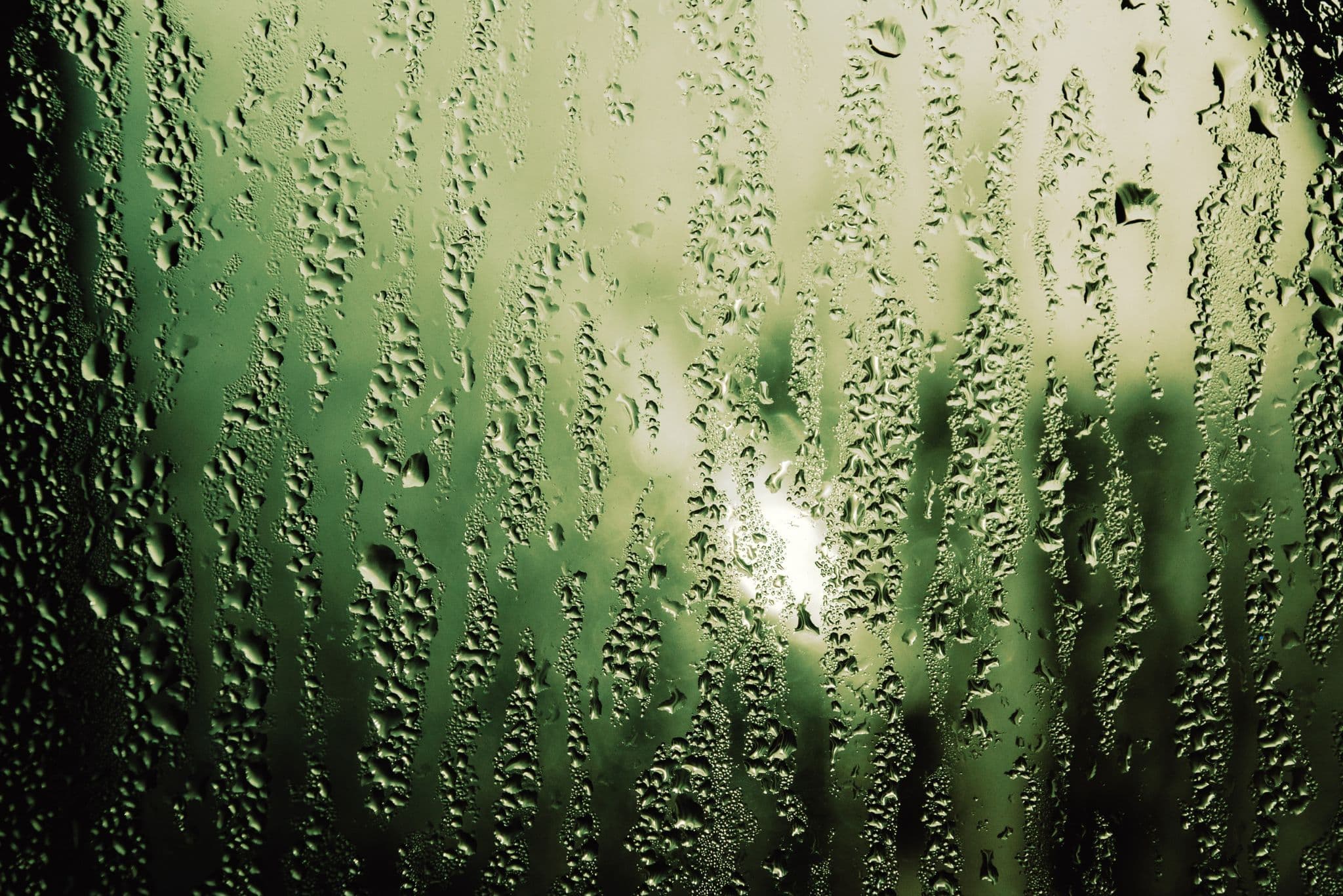
Your Home After Winter: Does Rain Cause Damp & Black Mould?
Author
Ian Murray
Date Published
Your Home After Winter: Does Rain Cause Damp & Black Mould?
Storm season is becoming a familiar part of life in the UK. Heavier rainfall, longer wet spells and higher humidity levels are now common. It’s even happening outside the traditional winter months.
The ClearAir PIV always sees a spike in enquiries after prolonged periods of heavy rain. This is because UK homeowners notice condensation forming more after a storm. Rooms feel damp, and in most cases, black mould begins to appear.
So the question we frequently get asked is, does heavy rain cause damp and mould inside your home? The short answer is yes, but not in the way most people think.
How Heavy Rain Affects Your Home
When the weather stays wet for days or weeks, moisture levels in the air remain high. Your external walls then absorb these cold and damp conditions. All this happens while indoor air stays warm due to your central heating and everyday living.
This contrast creates condensation. Warm air inside the home meets cold surfaces, and excess moisture settles on windows, walls and ceilings. Over time, this creates the ideal environment for mould growth.
Heavy rain also means windows are kept shut more often. Natural ventilation drops, moisture becomes trapped, and indoor humidity continues to rise.
Why Damp Often Appears After Storms
Many homeowners assume damp only comes from leaks or structural faults. In reality, most post storm damp issues are caused by poor airflow rather than water ingress.
Common signs we see after long periods of rain include:
- Persistent condensation on windows
- Musty smells in bedrooms and living areas
- Damp patches on external walls
- Black mould spores forming behind furniture
- Poor indoor air quality, limited fresh filtered air.
Without proper home ventilation, this moisture has nowhere to escape. All of which causes mould to grow
Why Ventilation Is the Real Solution
Opening windows briefly can help, but it is rarely enough during storm season. Cold, wet weather prevents natural ventilation, especially in autumn and winter.
This is where a Positive Input Ventilation unit becomes essential. A PIV system works continuously. It introduces filtered fresh air into your home and pushes out stale, moisture laden air.
It does not rely on weather conditions or human behaviour. It simply works in the background, balancing humidity levels across the entire property.
The Benefits of PIV Installation After Storm Season
A professional PIV installation offers several long term benefits, particularly in homes affected by damp after heavy rainfall. A PIV system helps to reduce indoor humidity levels. This prevents condensation forming on cold surfaces.
Without condensation, it helps to remove black mould from developing or returning to the property. This helps to improve overall air quality which protects walls, windows and furnishings. It also creates a healthier living environment. Helping to prevent allergic reactions, skin rashes and extra strain on the inhabitants immune systems.
Once installed, many homeowners notice improvements within days. Windows clear, air feels fresher, and damp conditions stabilise. Plus there is no longer an over reliance on cleaning products tackling the condensation and black mould.
Why Storm Seasons Are Getting Worse
Climate patterns are changing. Wetter winters and unpredictable storm cycles mean homes are exposed to higher moisture levels for longer periods of time. All of which helps to create the perfect environment for condensation and black mould.
Older properties and newer airtight homes are both vulnerable, especially without adequate ventilation systems in place.
Investing in reliable home ventilation is no longer optional. It is becoming a key part of protecting your property and maintaining a healthy indoor environment.
When is the right time to get a PIV?
If you have noticed increased condensation or mould following heavy rain, now is the right time to act. Waiting allows moisture to settle deeper into walls and furnishings, making problems harder and more expensive to fix later.
A PIV installation addresses the root cause, not just the visible symptoms.
FAQs
Can heavy rain really cause damp inside my home?
Yes. Prolonged rain increases outdoor humidity and cools external walls, leading to condensation inside the property.
Is condensation after storms a serious issue?
If left untreated, condensation can lead to black mould, damaged plaster, and poor indoor air quality.
Will a PIV system work all year round?
Yes. PIV units operate continuously and are effective in all seasons, especially during wet and cold weather.
How long does a PIV installation take?
Most installations are completed within a few hours with minimal disruption.
Is home ventilation better than using dehumidifiers?
Yes. Dehumidifiers treat symptoms. A PIV system treats the cause by managing airflow and moisture permanently.